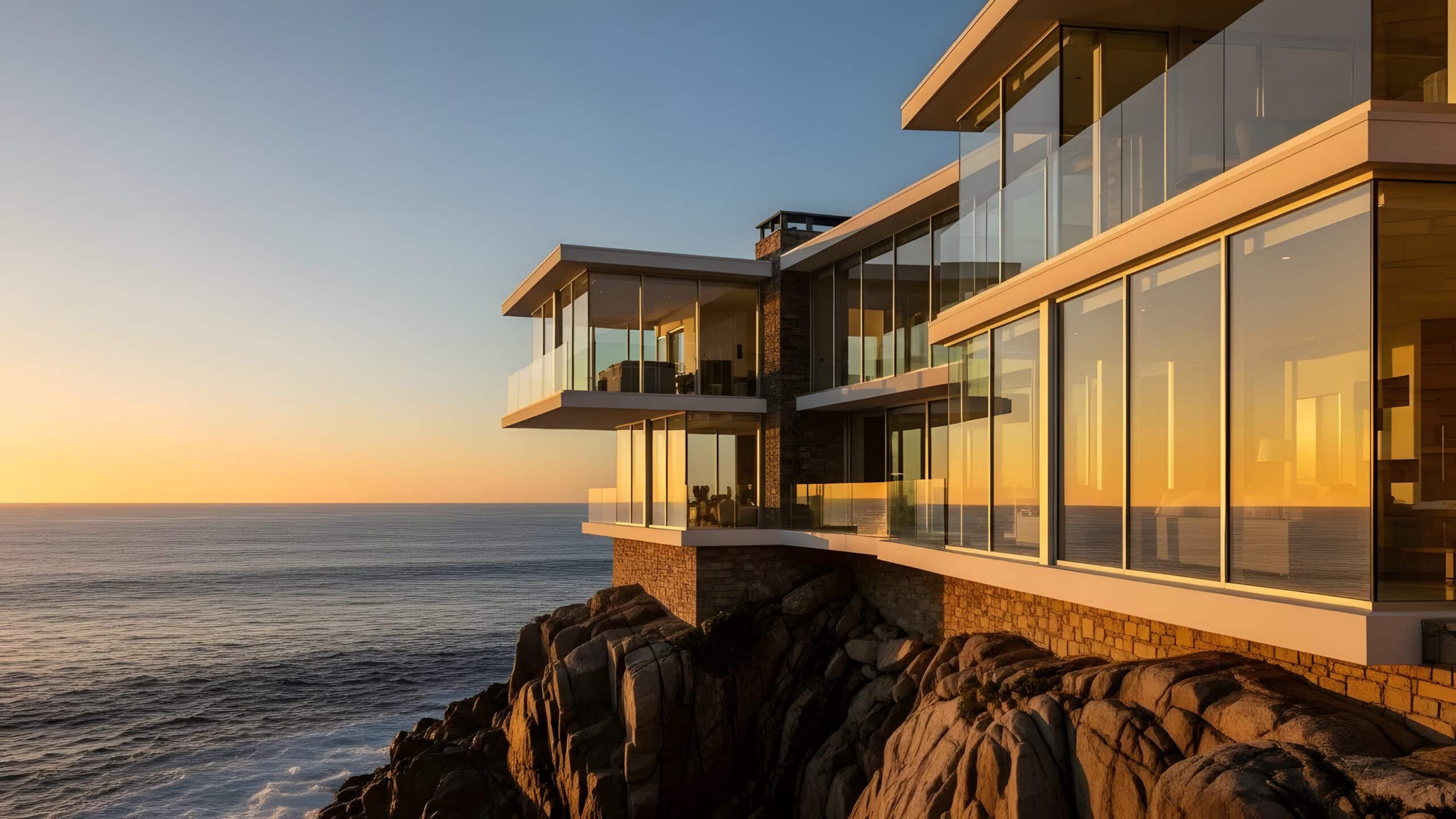
If you’re thinking about moving to the Coastside, you’ve probably already noticed that it feels different from the rest of the Bay Area. That’s usually what draws people here in the first place. More open space, quieter neighborhoods, easier access to the outdoors, and a slower pace than you’ll find in San Francisco or on the Peninsula.
What catches a lot of buyers off guard is how different each Coastside community feels once you start spending real time here. Half Moon Bay, El Granada, Moss Beach, Montara, and Pacifica all come with different housing styles, weather patterns, commute realities, and property considerations. Buying here also means paying attention to details that may not come up as often inland, especially when it comes to inspections, maintenance, and long-term ownership costs.
The good news is that once you understand those differences early, it becomes much easier to narrow down neighborhoods and know what to look for when homes start hitting the market.
Not Every Coastside Community Feels the Same
A lot of buyers start their search assuming the Coastside is one market. Once you start touring homes, though, you realize pretty quickly that each community has its own personality, pace, and day-to-day lifestyle.
Half Moon Bay
If you want a more central Coastside location with restaurants, coffee shops, schools, grocery stores, and a walkable downtown, you’ll probably spend a lot of time looking in Half Moon Bay.
Housing inventory is also broader here than in some surrounding communities. You’ll find everything from condos and neighborhood homes to larger coastal properties and ranch-style lots. Because of that variety, Half Moon Bay tends to attract a wide range of buyers, which usually keeps competition steady across multiple price points.
El Granada & Moss Beach
El Granada and Moss Beach tend to attract buyers looking for quieter residential neighborhoods and easier access to beaches, trails, and open space. Ocean views become more common in certain hillside sections, especially in El Granada.
These communities also feel a little less busy day to day than Half Moon Bay. Some buyers prefer that immediately. Others realize they want easier access to downtown areas and more commercial activity nearby. A lot of the decision ends up coming down to lifestyle more than square footage.
Montara & Pacifica
Montara and Pacifica are usually popular with buyers who want easier access to San Francisco while still living near the coast.
Montara tends to feel quieter and more spread out, with larger lots and fewer commercial areas. Pacifica offers a shorter commute for many buyers and generally has more day-to-day conveniences nearby.
You’ll also notice weather differences pretty quickly between these areas. Some neighborhoods stay sunny while others get heavy fog and wind throughout large parts of the day. Spending time in neighborhoods during different hours is one of the best things you can do before narrowing down your search.
What Surprises Most First-Time Coastside Buyers
If you’re moving from San Francisco or the Peninsula, there are a few property details you’ll probably run into here that don’t come up as often inland. Some are simple adjustments. Others can affect inspections, insurance, maintenance, or future renovation plans.
- Septic systems
Not every home is connected to a city sewer line. Septic inspections are common during Coastside transactions, and system condition can become an important part of negotiations. - Well water
Some homes rely on private wells instead of municipal water systems. Depending on the property, additional testing may happen during escrow. - Salt air and moisture exposure
Coastal weather affects homes differently over time. Exterior paint, decks, windows, and metal fixtures usually need more maintenance near the ocean than they would inland. - Drainage concerns
During the rainy season, drainage and runoff become important. When you’re touring homes, it’s worth paying attention to grading, retaining walls, and how water moves around the property. - Coastal Commission restrictions
Certain homes fall within Coastal Commission jurisdiction, which can affect future remodels, additions, fencing, or development plans. - Fog and microclimates
Weather can shift dramatically between neighborhoods only a few miles apart. One property may get full afternoon sun while another stays cool and foggy most of the day. - Insurance costs
Insurance pricing and coverage availability can vary more than many buyers expect depending on location and property condition.
The Coastside Market Moves Differently
One thing you’ll notice pretty quickly is that the Coastside market doesn’t always move the same way as the rest of the Bay Area.
Inventory is usually more limited, and pricing can vary significantly between neighborhoods or even from one street to another. Ocean views, privacy, lot usability, sun exposure, and commute access all play a major role in pricing here.
Homes that are priced correctly and prepared well can still move quickly, especially when inventory stays tight. At the same time, broad Bay Area housing headlines do not always reflect what buyers are actually seeing locally in Half Moon Bay, Moss Beach, or El Granada.
That’s one reason buyers often benefit from getting financing in place before they actively start touring homes. When the right property comes up, having everything ready usually makes the process less stressful.
Lifestyle Factors Buyers Often Overlook
Most buyers naturally focus on the house itself at first. After spending more time on the Coastside, many realize the bigger decision is really about lifestyle and daily routine.
Commutes & Highway Access
Highway 1 and Highway 92 shape daily life on the Coastside more than many buyers expect initially. Traffic patterns can change depending on weather, roadwork, school schedules, or weekend tourism traffic.
If you’re commuting into San Francisco or the Peninsula, it helps to test drive routes during realistic commute hours before committing to a neighborhood. Commute times can feel very different in practice than they do on a map.
Weather & Microclimates
The Coastside does not have one consistent climate. Fog, wind, and sunlight can vary dramatically depending on elevation and distance from the water.
Some buyers immediately love cooler temperatures and marine layer weather. Others realize they prefer neighborhoods with more consistent afternoon sun. Spending time in different areas throughout the day usually gives you a much better sense of what feels right long term.
Outdoor Lifestyle
For many people, outdoor access becomes one of the biggest reasons they stay on the Coastside long term. Beaches, trails, harbor access, surfing, biking, and open space become part of your regular routine instead of something you only do occasionally on weekends.
That tradeoff feels worth it for a lot of buyers, even if inventory is tighter or commute times are longer than what they were used to inland.
Questions Buyers Should Ask Before Making an Offer
Buying on the Coastside usually requires a little more due diligence than buyers expect at first. Asking the right questions early can save you from surprises later in the process.
- How old are the roof, windows, and exterior materials?
Coastal weather tends to wear down exterior surfaces faster than inland properties. - Is the home connected to sewer or septic?
Septic systems come with inspections and ongoing maintenance buyers should understand before closing. - Are there drainage issues during heavy rain?
Some hillside lots and older homes experience runoff or drainage concerns during winter storms. - What permits exist for past work?
It’s important to review permit history for additions, decks, remodels, and structural updates. - Are there Coastal Commission limitations?
Certain properties may face restrictions on future development or exterior changes. - What are insurance costs likely to look like?
It’s smart to request insurance quotes early rather than waiting until the end of escrow. - Is future development planned nearby?
Nearby construction can affect privacy, views, and traffic patterns over time. - What inspections are recommended locally?
Depending on the property, buyers may need septic, roof, drainage, geological, pest, or well inspections.
Thinking About Moving to the Coastside?
Buying on the Coastside involves a lot more than choosing the right house. Neighborhood feel, weather patterns, commute routines, property systems, and long-term maintenance all shape what living here actually looks like day to day.
If you’re starting your search, it helps to spend time learning how each community differs before narrowing things down too quickly. You can explore the Communities page to compare neighborhoods, visit the Buyer’s Guide for more Coastside buying information, or reach out to the Palermo Properties Team if you want to talk through your search and what areas may fit best.